
"We kill threads"; Threadkiller Society




 08 Apr 2012, 7:25 am

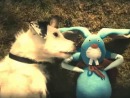
Dear Identity, That is the friendliest hot cross bun I've ever seen!
Sylkat
 (Happy Easter!)
Thanks. It seems the hot cross bun is generating quite a lot of attention.

and I am replete
Thank You Sylkat, identity, Alice...
and the lost ones
 10 Apr 2012, 6:33 am
The Archean is one of the four principal eons of Earth history. When the Archean began, the Earth's heat flow was nearly three times higher than it is today, and it was still twice the current level at the transition from the Archean to the Proterozoic (2,500 Ma). The extra heat was the result of a mix of remnant heat from planetary accretion, heat from the formation of the Earth's core, and heat produced by radioactive elements.
Most surviving Archean rocks are metamorphic or igneous. Volcanic activity was considerably higher than today, with numerous lava eruptions, including unusual types such as komatiite. Granitic rocks predominate throughout the crystalline remnants of the surviving Archean crust. Examples include great melt sheets and voluminous plutonic masses of granite, diorite, layered intrusions, anorthosites and monzonites known as sanukitoids.
The Earth of the early Archean may have supported a tectonic regime unlike that of the present. Some scientists argue that, because the Earth was much hotter, tectonic activity was more vigorous than it is today, resulting in a much faster rate of recycling of crustal material. This may have prevented cratonisation and continent formation until the mantle cooled and convection slowed down. Others argue that the oceanic lithosphere was too buoyant to subduct, and that the rarity of Archean rocks is a function of erosion by subsequent tectonic events. The question of whether plate tectonic activity existed in the Archean is an active area of modern research.[1]
There are two schools of thought concerning the amount of continental crust that was present in the Archean. One school maintains that no large continents existed until late in the Archean: small protocontinents were the norm, prevented from coalescing into larger units by the high rate of geologic activity.[citation needed] The other school follows the teaching of Richard Armstrong, who argued that the continents grew to their present volume in the first 500 million years of Earth history and have maintained a near-constant ever since: throughout most of Earth history, recycling of continental material crust back to the mantle in subduction or collision zones balances crustal growth.[citation needed]
Opinion is also divided about the mechanism of continental crustal growth. Those scientists who doubt that plate tectonics operated in the Archean argue that the felsic protocontinents formed at hotspots rather than subduction zones. Through a process called "sagduction", which refers to partial melting in downward-directed diapirs, a variety of mafic magmas produce intermediate and felsic rocks.[citation needed] Others accept that granite formation in island arcs and convergent margins was part of the plate tectonic process, which has operated since at least the start of the Archean.
An explanation for the general lack of Hadean rocks (older than 3800 Ma) is the efficiency of the processes that either cycled these rocks back into the mantle or effaced any isotopic record of their antiquity. All rocks in the continental crust are subject to metamorphism, partial melting and tectonic erosion during multiple orogenic events and the chance of survival at the surface decreases with increasing age. In addition, a period of intense meteorite bombardment in the period 4.0-3.8 Ga pulverized all rocks at the Earth's surface during the period. The similar age of the oldest surviving rocks and the "late heavy bombardment" is thought to be not accidental.[citation needed]
[edit]Archean palaeoenvironment
The Archean atmosphere is thought to have lacked free oxygen. Astronomers think that the sun had about 70-75% of the present luminosity, yet temperatures appear to have been near modern levels even within 500 Ma of Earth's formation, which is puzzling (the faint young sun paradox). The presence of liquid water is evidenced by certain highly deformed gneisses produced by metamorphism of sedimentary protoliths. The equable temperatures may reflect the presence of larger amounts of greenhouse gases than later in the Earth's history.[2][3] Alternatively, Earth's albedo may have been lower at the time, due to less land area and cloud cover.[4]
By the end of the Archaean c. 2500 Mya, plate tectonic activity may have been similar to that of the modern Earth. There are well-preserved sedimentary basins, and evidence of volcanic arcs, intracontinental rifts, continent-continent collisions and widespread globe-spanning orogenic events suggesting the assembly and destruction of one and perhaps several supercontinents. Liquid water was prevalent, and deep oceanic basins are known to have existed by the presence of banded iron formations, chert beds, chemical sediments and pillow basalts.
[edit]Archean geology
Although a few mineral grains are known that are Hadean, the oldest rock formations exposed on the surface of the Earth are Archean or slightly older. Archean rocks are known from Greenland, the Canadian Shield, the Baltic Shield, Scotland, India, Brazil, western Australia, and southern Africa. Although the first continents formed during this eon, rock of this age makes up only 7% of the world's current cratons; even allowing for erosion and destruction of past formations, evidence suggests that continental crust equivalent to only 5-40% of the present amount formed during the Archean.[5]
In contrast to Proterozoic rocks, Archean rocks are often heavily metamorphized deep-water sediments, such as graywackes, mudstones, volcanic sediments, and banded iron formations. Carbonate rocks are rare, indicating that the oceans were more acidic due to dissolved carbon dioxide than during the Proterozoic.[6] Greenstone belts are typical Archean formations, consisting of alternating units of metamorphosed mafic igneous and sedimentary rocks. The meta-igneous rocks were derived from volcanic island arcs, while the metasediments represent deep-sea sediments eroded from the neighboring island arcs and deposited in a forearc basin. Greenstone belts represent sutures between protocontinents.[7]
[edit]Archean life
Fossils of cyanobacterial mats (stromatolites, which were instrumental in creating the free oxygen in the atmosphere[citation needed]) are found throughout the Archean, becoming especially common late in the eon, while a few probable bacterial fossils are known from chert beds.[8] In addition to the domain Bacteria (once known as Eubacteria), microfossils of the domain Archaea have also been identified.
m Life was probably present throughout the Archean, but may have been limited to simple non-nucleated single-celled organisms, called Prokaryota (formerly known as Monera). There are no known eukaryotic fossils, though they might have evolved during the Archean without leaving any fossils. No fossil evidence has been discovered for ultramicroscopic intracellular replicators such as viruses.
Am I the only one who is excited!

This is Awesome!
once aagain my initial enthusisim has been fauted
_________________
Be kinder than necessary for everyone is fighting some kind of battle
-Jaleb
10 Apr 2012, 6:55 am
The Archean is one of the four principal eons of Earth history. When the Archean began, the Earth's heat flow was nearly three times higher than it is today, and it was still twice the current level at the transition from the Archean to the Proterozoic (2,500 Ma). The extra heat was the result of a mix of remnant heat from planetary accretion, heat from the formation of the Earth's core, and heat produced by radioactive elements.
Most surviving Archean rocks are metamorphic or igneous. Volcanic activity was considerably higher than today, with numerous lava eruptions, including unusual types such as komatiite. Granitic rocks predominate throughout the crystalline remnants of the surviving Archean crust. Examples include great melt sheets and voluminous plutonic masses of granite, diorite, layered intrusions, anorthosites and monzonites known as sanukitoids.
The Earth of the early Archean may have supported a tectonic regime unlike that of the present. Some scientists argue that, because the Earth was much hotter, tectonic activity was more vigorous than it is today, resulting in a much faster rate of recycling of crustal material. This may have prevented cratonisation and continent formation until the mantle cooled and convection slowed down. Others argue that the oceanic lithosphere was too buoyant to subduct, and that the rarity of Archean rocks is a function of erosion by subsequent tectonic events. The question of whether plate tectonic activity existed in the Archean is an active area of modern research.[1]
There are two schools of thought concerning the amount of continental crust that was present in the Archean. One school maintains that no large continents existed until late in the Archean: small protocontinents were the norm, prevented from coalescing into larger units by the high rate of geologic activity.[citation needed] The other school follows the teaching of Richard Armstrong, who argued that the continents grew to their present volume in the first 500 million years of Earth history and have maintained a near-constant ever since: throughout most of Earth history, recycling of continental material crust back to the mantle in subduction or collision zones balances crustal growth.[citation needed]
Opinion is also divided about the mechanism of continental crustal growth. Those scientists who doubt that plate tectonics operated in the Archean argue that the felsic protocontinents formed at hotspots rather than subduction zones. Through a process called "sagduction", which refers to partial melting in downward-directed diapirs, a variety of mafic magmas produce intermediate and felsic rocks.[citation needed] Others accept that granite formation in island arcs and convergent margins was part of the plate tectonic process, which has operated since at least the start of the Archean.
An explanation for the general lack of Hadean rocks (older than 3800 Ma) is the efficiency of the processes that either cycled these rocks back into the mantle or effaced any isotopic record of their antiquity. All rocks in the continental crust are subject to metamorphism, partial melting and tectonic erosion during multiple orogenic events and the chance of survival at the surface decreases with increasing age. In addition, a period of intense meteorite bombardment in the period 4.0-3.8 Ga pulverized all rocks at the Earth's surface during the period. The similar age of the oldest surviving rocks and the "late heavy bombardment" is thought to be not accidental.[citation needed]
[edit]Archean palaeoenvironment
The Archean atmosphere is thought to have lacked free oxygen. Astronomers think that the sun had about 70-75% of the present luminosity, yet temperatures appear to have been near modern levels even within 500 Ma of Earth's formation, which is puzzling (the faint young sun paradox). The presence of liquid water is evidenced by certain highly deformed gneisses produced by metamorphism of sedimentary protoliths. The equable temperatures may reflect the presence of larger amounts of greenhouse gases than later in the Earth's history.[2][3] Alternatively, Earth's albedo may have been lower at the time, due to less land area and cloud cover.[4]
By the end of the Archaean c. 2500 Mya, plate tectonic activity may have been similar to that of the modern Earth. There are well-preserved sedimentary basins, and evidence of volcanic arcs, intracontinental rifts, continent-continent collisions and widespread globe-spanning orogenic events suggesting the assembly and destruction of one and perhaps several supercontinents. Liquid water was prevalent, and deep oceanic basins are known to have existed by the presence of banded iron formations, chert beds, chemical sediments and pillow basalts.
[edit]Archean geology
Although a few mineral grains are known that are Hadean, the oldest rock formations exposed on the surface of the Earth are Archean or slightly older. Archean rocks are known from Greenland, the Canadian Shield, the Baltic Shield, Scotland, India, Brazil, western Australia, and southern Africa. Although the first continents formed during this eon, rock of this age makes up only 7% of the world's current cratons; even allowing for erosion and destruction of past formations, evidence suggests that continental crust equivalent to only 5-40% of the present amount formed during the Archean.[5]
In contrast to Proterozoic rocks, Archean rocks are often heavily metamorphized deep-water sediments, such as graywackes, mudstones, volcanic sediments, and banded iron formations. Carbonate rocks are rare, indicating that the oceans were more acidic due to dissolved carbon dioxide than during the Proterozoic.[6] Greenstone belts are typical Archean formations, consisting of alternating units of metamorphosed mafic igneous and sedimentary rocks. The meta-igneous rocks were derived from volcanic island arcs, while the metasediments represent deep-sea sediments eroded from the neighboring island arcs and deposited in a forearc basin. Greenstone belts represent sutures between protocontinents.[7]
[edit]Archean life
Fossils of cyanobacterial mats (stromatolites, which were instrumental in creating the free oxygen in the atmosphere[citation needed]) are found throughout the Archean, becoming especially common late in the eon, while a few probable bacterial fossils are known from chert beds.[8] In addition to the domain Bacteria (once known as Eubacteria), microfossils of the domain Archaea have also been identified.
m Life was probably present throughout the Archean, but may have been limited to simple non-nucleated single-celled organisms, called Prokaryota (formerly known as Monera). There are no known eukaryotic fossils, though they might have evolved during the Archean without leaving any fossils. No fossil evidence has been discovered for ultramicroscopic intracellular replicators such as viruses.
Am I the only one who is excited!
This is Awesome!
once aagain my initial enthusisim has been fauted
I meant phwauted!
_________________
Be kinder than necessary for everyone is fighting some kind of battle
-Jaleb
 10 Apr 2012, 7:00 am
Syzygyish: thank you...really I never ever would of thought that an informative article about rocks would have interested me...but I couldn't stop reading...and reread where needed to ensure I didn't miss a drop...and forgot what thread I was even in...but it didn't matter...I had visualized the creation of our planet and the continents upon it amazing...
_________________
"Have you got it, yet?..."
Syd Barrett
10 Apr 2012, 5:39 pm
DEFINITION Hepatitis B virus, complete genome.
ACCESSION NC_003977
VERSION NC_003977.1 GI:21326584
DBLINK Project: 15428
KEYWORDS C gene; circular; core antigen; DNA polymerase; e antigen; genome;
overlapping genes; P gene; S gene; surface antigen; X gene.
SOURCE Hepatitis B virus
ORGANISM Hepatitis B virus
Viruses; Retro-transcribing viruses; Hepadnaviridae;
Orthohepadnavirus.
REFERENCE 1 (bases 1 to 3215)
AUTHORS Okamoto,H., Imai,M., Shimozaki,M., Hoshi,Y., Iizuka,H., Gotanda,T.,
Tsuda,F., Miyakawa,Y. and Mayumi,M.
TITLE Nucleotide sequence of a cloned hepatitis B virus genome, subtype
ayr: comparison with genomes of the other three subtypes
JOURNAL J. Gen. Virol. 67 (PT 11), 2305-2314 (1986)
PUBMED 3783127
REFERENCE 2 (bases 1 to 3215)
CONSRTM NCBI Genome Project
TITLE Direct Submission
JOURNAL Submitted (05-JUN-2002) National Center for Biotechnology
Information, NIH, Bethesda, MD 20894, USA
COMMENT REVIEWED REFSEQ: This record has been curated by NCBI staff. The
reference sequence was derived from X04615.
COMPLETENESS: full length.
FEATURES Location/Qualifiers
source 1..3215
/organism="Hepatitis B virus"
/mol_type="genomic DNA"
/strain="ayr"
/db_xref="taxon:10407"
gene join(2307..3215,1..1623)
/locus_tag="HBVgp1"
/db_xref="GeneID:944565"
CDS join(2307..3215,1..1623)
/locus_tag="HBVgp1"
/codon_start=1
/product="Polymerase"
/protein_id="NP_647604.2"
/db_xref="GI:57021117"
/db_xref="GOA:Q69026"
/db_xref="UniProtKB/TrEMBL:Q69026"
/db_xref="GeneID:944565"
/translation="MPLSYQHFRKLLLLDDEAGPLEEELPRLADEGLNRRVAEDLNLG
NLNVSIPWTHKVGNFTGLYSSTVPVFNPDWKTPSFPHIHLQEDIINRCQQYVGPLTVN
EKRRLKLIMPARFYPNLTKYLPLDKGIKPYYPEYAVNHYFKTRHYLHTLWKAGILYKR
ETTRSASFCGSPYSWEQELQHGRLVFQTSTRHGDESFCSQSSGILSRSPVGPCVRSQL
KQSRLGLQPQQGSLARGKSGRSGSIWSRVHPTTRRPFGVEPSGSGHIDNTASSTSSCL
HQSAVRKTAYSHLSTSKRQSSSGHAVELHNIPPSSARSQSEGPIFSCWWLQFRNSKPC
SDYCLTHIVNLLEDWGPCTEHGEHNIRIPRTPARVTGGVFLVDKNPHNTTESRLVVDF
SQFSRGSTHVSWPKFAVPNLQSLTNLLSSNLSWLSLDVSAAFYHIPLHPAAMPHLLVG
SSGLPRYVARLSSTSRNINYQHGTMQNLHDSCSRNLYVSLLLLYKTFGRKLHLYSHPI
ILGFRKIPMGVGLSPFLLAQFTSAICSVVRRAFPHCLAFSYMDDVVLGAKSVQHLESL
FTSITNFLLSLGIHLNPNKTKRWGYSLNFMGYVIGSWGTLPQEHIVQKLKQCFRKLPV
NRPIDWKVCQRIVGLLGFAAPFTQCGYPALMPLYACIQSKQAFTFSPTYKAFLCKQYL
NLYPVARQRSGLCQVFADATPTGWGLAIGHRRMRGTFVAPLPIHTAELLAACFARSRS
GAKLIGTDNSVVLSRKYTSFPWLLGCAANWILRGTSFVYVPSALNPADDPSRGRLGLY
RPLLHLPFRPTTGRTSLYAVSPSVPSHLPDRVHFASPLHVAWRPP"
gene join(2848..3215,1..835)
/locus_tag="HBVgp2"
/db_xref="GeneID:944569"
CDS join(2848..3215,1..835)
/locus_tag="HBVgp2"
/note="pre-S1/pre-S2/S"
/codon_start=1
/product="large S protein"
/protein_id="YP_355333.1"
/db_xref="GI:77680739"
/db_xref="GeneID:944569"
/translation="MGGWSSKPRQGMGTNLSVPNPLGFFPDHQLDPAFGANSNNPDWD
FNPNKDHWPEANQVGAGAFGPGFTPPHGGLLGWSPQAQGILTTLPAAPPPASTNRQSG
RQPTPISPPLRDSHPQAMQWNSTTFHQALLDPRVRGLYFPAGGSSSGTVNPVPTTASP
ISSIFSRTGDPAPNMESTTSGFLGPLLVLQAGFFLLTRILTIPQSLDSWWTSLNFLGG
APTCPGQNSQSPTSNHSPTSCPPTCPGYRWMCLRRFIIFLFILLLCLIFLLVLLDYQG
MLPVCPLLPGTSTTSTGPCRTCTIPAQGTSMFPSCCCTKPSDGNCTCIPIPSSWAFAR
FLWEWASVRFSWLSLLVPFVQWFVGLSPTVWLSAIWMMWYWGPSLYNILSPFLPLLPI
FFCLWVYI"
CDS join(3205..3215,1..835)
/locus_tag="HBVgp2"
/note="pre-S2/S"
/codon_start=1
/product="middle S protein"
/protein_id="YP_355334.1"
/db_xref="GI:77680740"
/db_xref="GeneID:944569"
/translation="MQWNSTTFHQALLDPRVRGLYFPAGGSSSGTVNPVPTTASPISS
IFSRTGDPAPNMESTTSGFLGPLLVLQAGFFLLTRILTIPQSLDSWWTSLNFLGGAPT
CPGQNSQSPTSNHSPTSCPPTCPGYRWMCLRRFIIFLFILLLCLIFLLVLLDYQGMLP
VCPLLPGTSTTSTGPCRTCTIPAQGTSMFPSCCCTKPSDGNCTCIPIPSSWAFARFLW
EWASVRFSWLSLLVPFVQWFVGLSPTVWLSAIWMMWYWGPSLYNILSPFLPLLPIFFC
LWVYI"
CDS 155..835
/locus_tag="HBVgp2"
/note="S gene product, put.surface antigen (AA 1-226)"
/codon_start=1
/product="S protein"
/protein_id="NP_647605.1"
/db_xref="GI:21326586"
/db_xref="GOA:Q89699"
/db_xref="UniProtKB/TrEMBL:Q76R62"
/db_xref="GeneID:944569"
/translation="MESTTSGFLGPLLVLQAGFFLLTRILTIPQSLDSWWTSLNFLGG
APTCPGQNSQSPTSNHSPTSCPPTCPGYRWMCLRRFIIFLFILLLCLIFLLVLLDYQG
MLPVCPLLPGTSTTSTGPCRTCTIPAQGTSMFPSCCCTKPSDGNCTCIPIPSSWAFAR
FLWEWASVRFSWLSLLVPFVQWFVGLSPTVWLSAIWMMWYWGPSLYNILSPFLPLLPI
FFCLWVYI"
gene 1374..1838
/locus_tag="HBVgp3"
/db_xref="GeneID:944566"
CDS 1374..1838
/locus_tag="HBVgp3"
/codon_start=1
/product="X protein"
/protein_id="NP_647606.1"
/db_xref="GI:21326587"
/db_xref="GOA:Q69027"
/db_xref="UniProtKB/TrEMBL:Q69027"
/db_xref="GeneID:944566"
/translation="MAARLCCQLDPARDVLCLRPVGAESRGRPVSGPFGPLPSPSSSA
VPADHGAHLSLRGLPVCAFSSAGPCALRFTSARSMETTVNAHQVLPKVLHKRTLGLSA
MSTTDLEAYFKDCLFKDWEELGEEIRLKVFVLGGCRHKLVCSPAPCNFFPSA"
gene 1814..2452
/locus_tag="HBVgp4"
/db_xref="GeneID:944568"
CDS 1814..2452
/locus_tag="HBVgp4"
/codon_start=1
/product="precore/core protein"
/protein_id="YP_355335.1"
/db_xref="GI:77680741"
/db_xref="GeneID:944568"
/translation="MQLFPLCLIISCSCPTVQASKLCLGWLWGMDIDPYKEFGASVEL
LSFLPSDFFPSIRDLLDTASALYREALESPEHCSPHHTALRQAILCWGELMNLATWVG
SNLEDPASRELVVSYVNVNMGLKIRQLLWFHISCLTFGRETVLEYLVSFGVWIRTPPA
YRPPNAPILSTLPETTVVRRRGRSPRRRTPSPRRRRSQSPRRRRSQSRESQC"
CDS 1901..2452
/locus_tag="HBVgp4"
/codon_start=1
/product="Core and e antigen"
/protein_id="NP_647607.1"
/db_xref="GI:21326588"
/db_xref="UniProtKB/TrEMBL:Q784Z8"
/db_xref="GeneID:944568"
/translation="MDIDPYKEFGASVELLSFLPSDFFPSIRDLLDTASALYREALES
PEHCSPHHTALRQAILCWGELMNLATWVGSNLEDPASRELVVSYVNVNMGLKIRQLLW
FHISCLTFGRETVLEYLVSFGVWIRTPPAYRPPNAPILSTLPETTVVRRRGRSPRRRT
PSPRRRRSQSPRRRRSQSRESQC"
ORIGIN
1 ctccacaaca ttccaccaag ctctgctaga tcccagagtg aggggcctat attttcctgc
61 tggtggctcc agttccggaa cagtaaaccc tgttccgact actgcctcac ccatatcgtc
121 aatcttctcg aggactgggg accctgcacc gaacatggag agcacaacat caggattcct
181 aggacccctg ctcgtgttac aggcggggtt tttcttgttg acaagaatcc tcacaatacc
241 acagagtcta gactcgtggt ggacttctct caattttcta gggggagcac ccacgtgtcc
301 tggccaaaat tcgcagtccc caacctccaa tcactcacca acctcttgtc ctccaacttg
361 tcctggctat cgctggatgt gtctgcggcg ttttatcata ttcctcttca tcctgctgct
421 atgcctcatc ttcttgttgg ttcttctgga ctaccaaggt atgttgcccg tttgtcctct
481 acttccagga acatcaacta ccagcacggg accatgcaga acctgcacga ttcctgctca
541 aggaacctct atgtttccct cttgttgctg tacaaaacct tcggacggaa actgcacttg
601 tattcccatc ccatcatcct gggctttcgc aagattccta tgggagtggg cctcagtccg
661 tttctcctgg ctcagtttac tagtgccatt tgttcagtgg ttcgtagggc tttcccccac
721 tgtttggctt tcagctatat ggatgatgtg gtattggggg ccaagtctgt acaacatctt
781 gagtcccttt ttacctctat taccaatttt cttttgtctt tgggtataca tttgaaccct
841 aataaaacca aacgttgggg ctactccctt aacttcatgg gatatgtaat tggaagttgg
901 ggtactttac cgcaggaaca tattgtacaa aaactcaagc aatgttttcg aaaattgcct
961 gtaaatagac ctattgattg gaaagtatgt caaagaattg tgggtctttt gggctttgct
1021 gcccctttta cacaatgtgg ctatcctgcc ttgatgcctt tatatgcatg tatacaatct
1081 aagcaggctt tcactttctc gccaacttac aaggcctttc tgtgtaaaca atatctaaac
1141 ctttaccccg ttgcccggca acggtcaggt ctctgccaag tgtttgctga cgcaaccccc
1201 acgggttggg gcttggccat aggccatcgg cgcatgcgtg gaacctttgt ggctcctctg
1261 ccgatccata ctgcggaact cctagcagct tgttttgctc gcagccggtc tggagcgaaa
1321 cttatcggaa ccgacaactc agttgtcctc tctcggaaat acacctcctt tccatggctg
1381 ctaggctgtg ctgccaactg gatcctgcgc gggacgtcct ttgtctacgt cccgtcggcg
1441 ctgaatcccg cggacgaccc gtctcggggc cgtttgggcc tctaccgtcc ccttcttcat
1501 ctgccgttcc ggccgaccac ggggcgcacc tctctttacg cggtctcccc gtctgtgcct
1561 tctcatctgc cggaccgtgt gcacttcgct tcacctctgc acgtagcatg gagaccaccg
1621 tgaacgccca ccaggtcttg cccaaggtct tacacaagag gactcttgga ctctcagcaa
1681 tgtcaacgac cgaccttgag gcatacttca aagactgttt gtttaaagac tgggaggagt
1741 tgggggagga gattaggtta aaggtctttg tactaggagg ctgtaggcat aaattggtct
1801 gttcaccagc accatgcaac tttttcccct ctgcctaatc atctcatgtt catgtcctac
1861 tgttcaagcc tccaagctgt gccttgggtg gctttggggc atggacattg acccgtataa
1921 agaatttgga gcttctgtgg agttactctc ttttttgcct tctgacttct ttccttctat
1981 tcgagatctc ctcgacaccg cctctgctct gtatcgggag gccttagagt ctccggaaca
2041 ttgttcacct caccatacag cactcaggca agctattctg tgttggggtg agttgatgaa
2101 tctggccacc tgggtgggaa gtaatttgga agacccagca tccagggaat tagtagtcag
2161 ctatgtcaat gttaatatgg gcctaaaaat tagacaacta ttgtggtttc acatttcctg
2221 ccttactttt ggaagagaaa ctgtccttga gtatttggtg tcttttggag tgtggattcg
2281 cactcctccc gcttacagac caccaaatgc ccctatctta tcaacacttc cggaaactac
2341 tgttgttaga cgacgaggca ggtcccctag aagaagaact ccctcgcctc gcagacgaag
2401 gtctcaatcg ccgcgtcgca gaagatctca atctcgggaa tctcaatgtt agtatccctt
2461 ggactcataa ggtgggaaac tttactgggc tttattcttc tactgtacct gtctttaatc
2521 ctgattggaa aactccctcc tttcctcaca ttcatttaca ggaggacatt attaatagat
2581 gtcaacaata tgtgggccct ctgacagtta atgaaaaaag gagattaaaa ttaattatgc
2641 ctgctaggtt ctatcctaac cttaccaaat atttgccctt ggacaaaggc attaaaccgt
2701 attatcctga atatgcagtt aatcattact tcaaaactag gcattattta catactctgt
2761 ggaaggctgg cattctatat aagagagaaa ctacacgcag cgcctcattt tgtgggtcac
2821 catattcttg ggaacaagag ctacagcatg ggaggttggt cttccaaacc tcgacaaggc
2881 atggggacga atctttctgt tcccaatcct ctgggattct ttcccgatca ccagttggac
2941 cctgcgttcg gagccaactc aaacaatcca gattgggact tcaaccccaa caaggatcac
3001 tggccagagg caaatcaggt aggagcggga gcatttggtc cagggttcac cccaccacac
3061 ggaggccttt tggggtggag ccctcaggct cagggcatat tgacaacact gccagcagca
3121 cctcctcctg cctccaccaa tcggcagtca ggaagacagc ctactcccat ctctccacct
3181 ctaagagaca gtcatcctca ggccatgcag tggaa
//
See how the genes overlap! See how effective the virus is!


Albirea
Veteran


Joined: 15 Mar 2011
Age: 32
Gender: Female
Posts: 9,768
Location: Cannot be determined due to excessive knowledge of momentum
10 Apr 2012, 6:14 pm
If this thread cannot be killed normally, I shall attempt to kill it my way... with diacritical marks!
ก็็็็็็็็็็็็็็็็็็็็ กิิิิิิิิิิิิิิิิิิิิ ก้้้้้้้้้้้้้้้้้้้้ ก็็็็็็็็็็็็็็็็็็็็ กิิิิิิิิิิิิิิิิิิิิ ก้้้้้้้้้้้้้้้้้้้้ ก็็็็็็็็็็็็็็็็็็็็ กิิิิิิิิิิิิิิิิิิิิ ก้้้้้้้้้้้้้้้้้้้้ ก็็็็็็็็็็็็็็็็็็็็ก็็็็ก็็็็็็็็็็็็็็็็็็็็ กิิิิิิิิิิิิิิิิิิิิ ก้้้้้้้้้้้้้้้้้้้้ ก็็็็็็็็็็็็็็็็็็็็ กิิิิิิิิิิิิิิิิิิิิ ก้้้้้้้้้้้้้้้้้้้้ ก็็็็็็็็็็็็็็็็็็็็ กิิิิิิิิิิิิิิิิิิิิ ก้้้้้้้้้้้้้้้้้้้้ ก็็็็็็็็็็็็็็็็็็็็ก็็็็ก็็็็็็็็็็็็็็็็็็็็ กิิิิิิิิิิิิิิิิิิิิ ก้้้้้้้้้้้้้้้้้้้้ ก็็็็็็็็็็็็็็็็็็็็ กิิิิิิิิิิิิิิิิิิิิ ก้้้้้้้้้้้้้้้้้้้้ ก็็็็็็็็็็็็็็็็็็็็ กิิิิิิิิิิิิิิิิิิิิ ก้้้้้้้้้้้้้้้้้้้้ ก็็็็็็็็็็็็็็็็็็็็ก็็็็ก็็็็็็็็็็็็็็็็็็็็ กิิิิิิิิิิิิิิิิิิิิ ก้้้้้้้้้้้้้้้้้้้้ ก็็็็็็็็็็็็็็็็็็็็ กิิิิิิิิิิิิิิิิิิิิ ก้้้้้้้้้้้้้้้้้้้้ ก็็็็็็็็็็็็็็็็็็็็ กิิิิิิิิิิิิิิิิิิิิ ก้้้้้้้้้้้้้้้้้้้้ ก็็็็็็็็็็็็็็็็็็็็ก็็็็ก็็็็็็็็็็็็็็็็็็็็ กิิิิิิิิิิิิิิิิิิิิ ก้้้้้้้้้้้้้้้้้้้้ ก็็็็็็็็็็็็็็็็็็็็ กิิิิิิิิิิิิิิิิิิิิ ก้้้้้้้้้้้้้้้้้้้้ ก็็็็็็็็็็็็็็็็็็็็ กิิิิิิิิิิิิิิิิิิิิ ก้้้้้้้้้้้้้้้้้้้้ ก็็็็็็็็็็็็็็็็็็็็ก็็็็ก็็็็็็็็็็็็็็็็็็็็ กิิิิิิิิิิิิิิิิิิิิ ก้้้้้้้้้้้้้้้้้้้้ ก็็็็็็็็็็็็็็็็็็็็ กิิิิิิิิิิิิิิิิิิิิ ก้้้้้้้้้้้้้้้้้้้้ ก็็็็็็็็็็็็็็็็็็็็ กิิิิิิิิิิิิิิิิิิิิ ก้้้้้้้้้้้้้้้้้้้้ ก็็็็็็็็็็็็็็็็็็็็ก็็็็
ก็็็็็็็็็็็็็็็็็็็็ กิิิิิิิิิิิิิิิิิิิิ ก้้้้้้้้้้้้้้้้้้้้ ก็็็็็็็็็็็็็็็็็็็็ กิิิิิิิิิิิิิิิิิิิิ ก้้้้้้้้้้้้้้้้้้้้ ก็็็็็็็็็็็็็็็็็็็็ กิิิิิิิิิิิิิิิิิิิิ ก้้้้้้้้้้้้้้้้้้้้ ก็็็็็็็็็็็็็็็็็็็็ก็็็็ก็็็็็็็็็็็็็็็็็็็็ กิิิิิิิิิิิิิิิิิิิิ ก้้้้้้้้้้้้้้้้้้้้ ก็็็็็็็็็็็็็็็็็็็็ กิิิิิิิิิิิิิิิิิิิิ ก้้้้้้้้้้้้้้้้้้้้ ก็็็็็็็็็็็็็็็็็็็็ กิิิิิิิิิิิิิิิิิิิิ ก้้้้้้้้้้้้้้้้้้้้ ก็็็็็็็็็็็็็็็็็็็็ก็็็็ก็็็็็็็็็็็็็็็็็็็็ กิิิิิิิิิิิิิิิิิิิิ ก้้้้้้้้้้้้้้้้้้้้ ก็็็็็็็็็็็็็็็็็็็็ กิิิิิิิิิิิิิิิิิิิิ ก้้้้้้้้้้้้้้้้้้้้ ก็็็็็็็็็็็็็็็็็็็็ กิิิิิิิิิิิิิิิิิิิิ ก้้้้้้้้้้้้้้้้้้้้ ก็็็็็็็็็็็็็็็็็็็็ก็็็็ก็็็็็็็็็็็็็็็็็็็็ กิิิิิิิิิิิิิิิิิิิิ ก้้้้้้้้้้้้้้้้้้้้ ก็็็็็็็็็็็็็็็็็็็็ กิิิิิิิิิิิิิิิิิิิิ ก้้้้้้้้้้้้้้้้้้้้ ก็็็็็็็็็็็็็็็็็็็็ กิิิิิิิิิิิิิิิิิิิิ ก้้้้้้้้้้้้้้้้้้้้ ก็็็็็็็็็็็็็็็็็็็็ก็็็็ก็็็็็็็็็็็็็็็็็็็็ กิิิิิิิิิิิิิิิิิิิิ ก้้้้้้้้้้้้้้้้้้้้ ก็็็็็็็็็็็็็็็็็็็็ กิิิิิิิิิิิิิิิิิิิิ ก้้้้้้้้้้้้้้้้้้้้ ก็็็็็็็็็็็็็็็็็็็็ กิิิิิิิิิิิิิิิิิิิิ ก้้้้้้้้้้้้้้้้้้้้ ก็็็็็็็็็็็็็็็็็็็็ก็็็็ก็็็็็็็็็็็็็็็็็็็็ กิิิิิิิิิิิิิิิิิิิิ ก้้้้้้้้้้้้้้้้้้้้ ก็็็็็็็็็็็็็็็็็็็็ กิิิิิิิิิิิิิิิิิิิิ ก้้้้้้้้้้้้้้้้้้้้ ก็็็็็็็็็็็็็็็็็็็็ กิิิิิิิิิิิิิิิิิิิิ ก้้้้้้้้้้้้้้้้้้้้ ก็็็็็็็็็็็็็็็็็็็็ก็็็็
_________________
If it doesn't make sense, it's probably a Team Fortress 2 reference.
http://failofcompleteepicness.blogspot.com/
http://self-fulfilling-destiny.tumblr.com/
Albirea
Veteran
Joined: 15 Mar 2011
Age: 32
Gender: Female
Posts: 9,768
Location: Cannot be determined due to excessive knowledge of momentum
10 Apr 2012, 6:24 pm
Nope.
_________________
If it doesn't make sense, it's probably a Team Fortress 2 reference.
http://failofcompleteepicness.blogspot.com/
http://self-fulfilling-destiny.tumblr.com/
Albirea
Veteran
Joined: 15 Mar 2011
Age: 32
Gender: Female
Posts: 9,768
Location: Cannot be determined due to excessive knowledge of momentum
10 Apr 2012, 6:26 pm
ZIPPITY-BOP!
_________________
If it doesn't make sense, it's probably a Team Fortress 2 reference.
http://failofcompleteepicness.blogspot.com/
http://self-fulfilling-destiny.tumblr.com/
Albirea
Veteran
Joined: 15 Mar 2011
Age: 32
Gender: Female
Posts: 9,768
Location: Cannot be determined due to excessive knowledge of momentum
10 Apr 2012, 6:29 pm
_________________
If it doesn't make sense, it's probably a Team Fortress 2 reference.
http://failofcompleteepicness.blogspot.com/
http://self-fulfilling-destiny.tumblr.com/


