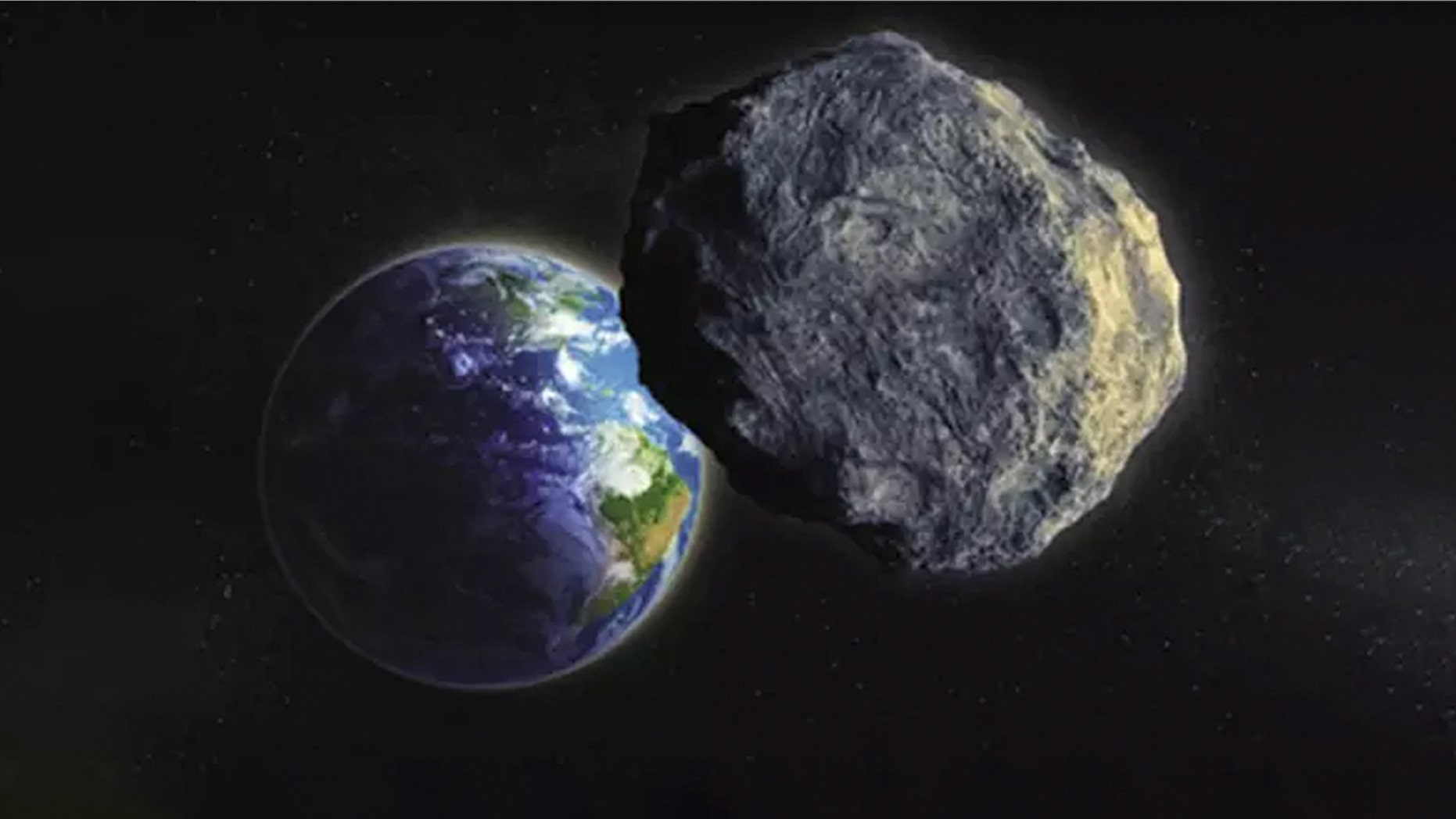
A very, very, very small asteroid named 2018VP1 is estimated to only be about 7 feet in length. But an asteroid screaming toward Earth has a minuscule chance of impact hours before the election between Trump and Biden. Even if it did manage to impact the Earth, all or most of it would burn up in the atmosphere. SO IT IS A NON-THREAT.
Less than two weeks ago, on Aug. 15, an asteroid the size of an automobile missed the Earth by about 1,800 miles. Not only was it completely undetected, but it was the closest call we have ever had without being impacted.
What's the big deal?
Well, according to NASA, there are about 25,000 of these near-Earth asteroids from 6 to 460 feet wide. With only 8,000 of them detected. Worse, NASA believes there are tens of millions of these 33 to 65 feet in diameter asteroids zooming around undiscovered within 30 million miles of Earth.
To put it into terms everyone could understand, last year NASA simulated a 200-foot asteroid slamming into New York City. Their study concluded it would have hit New York with 1,000 times the destructive force of the nuclear weapon dropped on Hiroshima in World War II and instantly killed upwards of 1.3 million people.
That’s the “big deal.”
For a real-life example of the destructive force from a “small” asteroid, we only have to look at what happened to Siberia on June 30, 1908, when an asteroid less than 150 feet across exploded in the air. It leveled more than 80 million trees and laid waste to an area roughly twice the size of New York City.
Last year in a major study – mostly ignored by our leaders – from Johns Hopkins titled: “Breaking up is hard to do. Asteroids are stronger, harder to destroy than previously thought,” the scientists warned, “It is only a matter of time before these questions go from being academic to defining our response to a major threat.”
All of which begs the question: What are our realistic responses to this major threat?
NASA’s Planetary Science Advisory Committee is now rightfully shifting much of its attention to asteroid detection and deflection. Next year, it will launch the “Double Asteroid Redirection Test” (DART). The goal of this planetary defense mission is to collide with a tiny moon orbiting the near-Earth asteroid “Didymos” to test a technique to deflect its orbit.
That's better than nothing but any real defense of our planet is still years to decades away and everyone at NASA and within our government knows that.
Source: 'Election Day' asteroid – not a political omen, but it is a warning






 . Sorry couldn't help myself. All joking aside I do wonder if a beefed current version of Star Wars could deter the threat. Currently it is only in the Pacific I believe.

 . But then again that is how politics is played.